
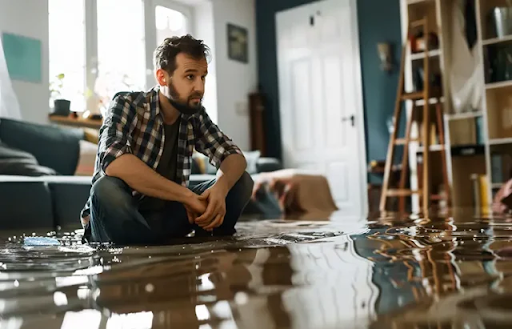
Discovering water damage in a home or building is a stressful experience that raises immediate questions about what to do, who to call, and how extensive the problem really is. Property owners who are prepared with knowledge about the restoration process, their insurance rights, and the importance of prevention are far better positioned to navigate this situation effectively and protect their investment.
Professional restoration expertise, combined with a clear understanding of the recovery process, makes an overwhelming situation manageable.
Navigating the Water Damage Repair Process
The first call after discovering significant water infiltration should always be to a qualified restoration company. Professional water damage repair providers respond quickly, bringing the specialized equipment and trained technicians needed to stop the spread of moisture, extract standing water, and begin the critical drying process that prevents secondary damage from developing.
Time is the defining factor in how extensive the ultimate damage and restoration cost will be. A qualified restoration team conducts a thorough assessment that identifies all affected areas, including hidden moisture within wall cavities, under flooring, and above ceilings that would go undetected without professional moisture meters and thermal imaging.
Working with Your Insurance Provider
Most homeowners and commercial property policies cover sudden and accidental water damage from internal sources such as burst pipes and appliance failures, though coverage for flooding from external sources typically requires a separate flood policy.
Documenting the damage thoroughly with photographs and video before any restoration work begins is essential for supporting an insurance claim. Reputable restoration companies are experienced in working with insurance adjusters and can provide the detailed documentation, moisture readings, and scope of work needed to support a comprehensive claim.
Proactive Measures That Reduce Water Damage Risk
While not every water damage event is preventable, many common causes can be significantly reduced through proactive maintenance. Regularly inspecting plumbing connections under sinks and behind appliances, testing the water heater and sump pump annually, maintaining gutters and downspouts, and ensuring that the property grading directs water away from the foundation all reduce the likelihood of water damage occurring.
Installing water detection devices near appliances, under sinks, and in basements provides early warning of leaks before they become major events, giving homeowners the opportunity to address the source before significant damage occurs.
Health and Safety Considerations After Water Damage
Water damage does not only affect the structure of a building; it can also create health risks if it is not handled quickly. Standing water and damp materials can lead to mold growth within just 24 to 48 hours. Mold can spread through the air and may cause breathing problems, allergies, and other health issues, especially for children, older adults, and people with weak immune systems.
Because of this, property owners should avoid staying in heavily affected areas until professionals confirm that it is safe. During the recovery process, professionals often remove wet materials like carpets, insulation, and damaged drywall to stop mold from spreading. They also use industrial dryers and dehumidifiers to remove hidden moisture in walls and floors.
Conclusion
Water damage recovery is a process that requires professional expertise, prompt action, and a clear understanding of the steps involved. Property owners who engage qualified restoration professionals quickly, document damage thoroughly, and work proactively with their insurance provider achieve the best possible outcomes.
Prevention through regular property maintenance reduces risk significantly, but when damage does occur, knowing the right response makes all the difference in protecting your home and your investment.