
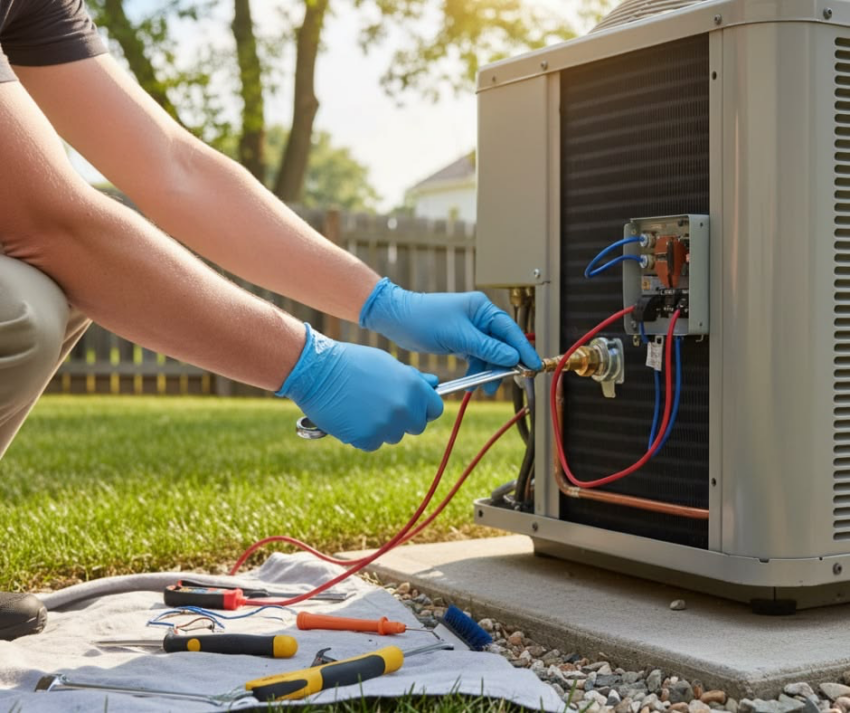
Large-scale buildings depend on stable indoor climates. Offices, malls, hospitals, and factories all rely on HVAC systems working without interruption. A single failure can disrupt operations and increase costs fast. Maintenance is not optional here. It is a strategic necessity that protects performance, energy efficiency, and occupant comfort.
Preventive Planning For Commercial HVAC Service
Preventive planning sets the foundation for reliability. Teams schedule inspections before issues appear. Filters, coils, and ducts are checked on a fixed timeline. This reduces sudden breakdowns and keeps airflow consistent.
Commercial HVAC service refers to professional maintenance and optimization of heating, ventilation, and cooling systems in business environments. It focuses on performance, safety, and energy efficiency at scale. A structured plan ensures that every commercial HVAC service action supports long-term system health.
Smart Monitoring Systems And AC Repair Efficiency
Modern buildings rely on smart sensors. These systems track temperature, humidity, and equipment load in real time. Alerts are triggered when performance drops. This allows quick intervention before damage spreads.
AC repair involves diagnosing and fixing faults in air conditioning units, from compressors to refrigerant leaks. In large buildings, fast AC repair minimizes downtime and prevents tenant discomfort. Smart monitoring improves response speed and precision in AC repair.
Energy Optimization In Commercial HVAC Service Operations
Energy costs form a large part of operational budgets. Efficient HVAC systems reduce this burden. Regular calibration of thermostats and sensors improves accuracy. Variable speed drives adjust output based on demand.
Technicians analyze usage patterns and adjust system settings. This avoids overcooling or overheating. Commercial HVAC service includes energy audits and system tuning. These steps ensure that commercial HVAC service delivers both comfort and cost control.
Seasonal Readiness And AC Repair Scheduling
Seasonal shifts put stress on HVAC systems. Summer demands peak cooling, while winter requires stable heating. Preparing systems before each season avoids emergency failures.
Maintenance teams inspect refrigerant levels, clean coils, and test compressors. AC repair scheduling becomes critical during high-demand periods. Addressing small issues early reduces the risk of major breakdowns. Effective planning keeps AC repair predictable and manageable.
Air Quality Control Through Commercial HVAC Service
Indoor air quality directly affects health and productivity. Dust, allergens, and pollutants can circulate if systems are neglected. Clean filters and ducts are essential.
Ventilation systems must maintain fresh air flow. Humidity levels should stay balanced. Modern commercial HVAC service includes air quality checks and filtration upgrades. These measures ensure that commercial HVAC service supports a healthier indoor environment.
Equipment Lifecycle Management And AC Repair Strategy
Every HVAC component has a lifecycle. Compressors, fans, and coils wear out over time. Tracking equipment age helps in planning replacements.
Instead of waiting for failure, teams use data to decide when to upgrade. AC repair plays a role in extending equipment life. Regular servicing delays costly replacements. A clear AC repair strategy keeps systems running longer and more efficiently.
Skilled Workforce And Commercial HVAC Service Standards
Experienced technicians are essential for large systems. They understand complex layouts and advanced controls. Training keeps them updated with new technologies.
Standardized procedures improve consistency. Safety protocols reduce risks during maintenance. Commercial HVAC service depends on skilled professionals who follow strict guidelines. High standards ensure that commercial HVAC service delivers reliable results every time.
Conclusion
HVAC maintenance in large-scale buildings is a continuous process. It combines planning, technology, and skilled execution. Preventive strategies reduce risks and control costs. Smart monitoring improves response time. Energy optimization enhances efficiency. By integrating commercial HVAC service practices with timely AC repair, building managers can ensure stable operations.