
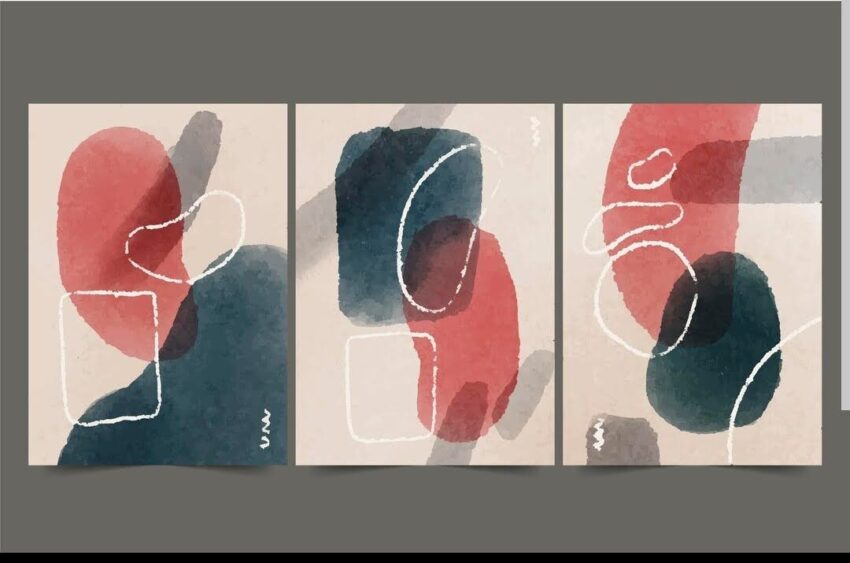
An office is more than a place where tasks are completed. It is an environment that shapes thinking, behavior, and productivity. When employees enter a well-designed workspace, they feel more motivated and focused. On the other hand, dull and empty walls can create a lack of inspiration.
Visual elements play a major role in setting the tone of a workplace. Among these elements, wall decor stands out as one of the most powerful tools for transforming an office atmosphere. Thoughtfully chosen artwork can reduce stress, improve creativity, and strengthen the overall brand impression.
In this article, we will discuss some tips that explain how to make the right selection for a professional environment.
Match Abstract Designs with Office Interior Style
Every office has a unique design language. Some spaces follow a minimal modern approach, while others use industrial, corporate, or creative themes. The abstract art should complement this existing style rather than clash with it.
In modern office spaces with clean lines and neutral tones, simple geometric patterns or subtle color blends work best. These designs maintain harmony without overwhelming the environment. In contrast, creative agencies or design studios benefit from bold and expressive visuals that encourage innovation.
It is important to consider textures, furniture, and lighting when selecting artwork. A heavily detailed piece may not suit a minimal workspace, while overly simple designs may look out of place in a vibrant and colorful office.
Choose Colors That Support Focus and Productivity
Color psychology plays a major role in workplace performance. Different colors trigger different emotional responses, which can directly influence concentration, energy levels, and mood.
Soft blues and greens are associated with calmness and focus. These tones help reduce stress and are ideal for high-pressure environments where concentration is important. Neutral shades such as beige, gray, and off-white create a balanced atmosphere that feels clean and organized.
On the other hand, warmer colors like orange or red can increase energy and creativity when used in moderation. However, too much intensity may become distracting, so balance is essential.
Select Art That Shows Brand Identity
An office environment often represents the personality of a business. Every design choice sends a message to employees, clients, and visitors. Artwork is one of the most effective ways to communicate that message without using words.
When selecting visual pieces, it is important to consider what the business stands for. A technology company may prefer modern, structured designs that represent innovation and precision. A marketing agency might choose expressive and dynamic visuals that reflect creativity and communication.
The artwork should support the story of the brand. It should not feel random or disconnected from the company’s purpose. Instead, it should reinforce values such as trust, growth, collaboration, or innovation.
Consider Size and Visual Balance
The impact of artwork depends not only on design but also on how it is displayed. Size and placement play a critical role in creating visual balance within a workspace.
Large walls in reception areas or conference rooms often require bigger pieces that can fill the space effectively. Small artwork in such areas may appear lost or insignificant. On the other hand, smaller offices or private cabins benefit from medium or compact pieces that do not overwhelm the room.
Placement should always consider eye level and viewing distance. Art placed too high or too low can reduce its visual impact. Proper positioning ensures that the piece becomes a natural focal point within the room.