
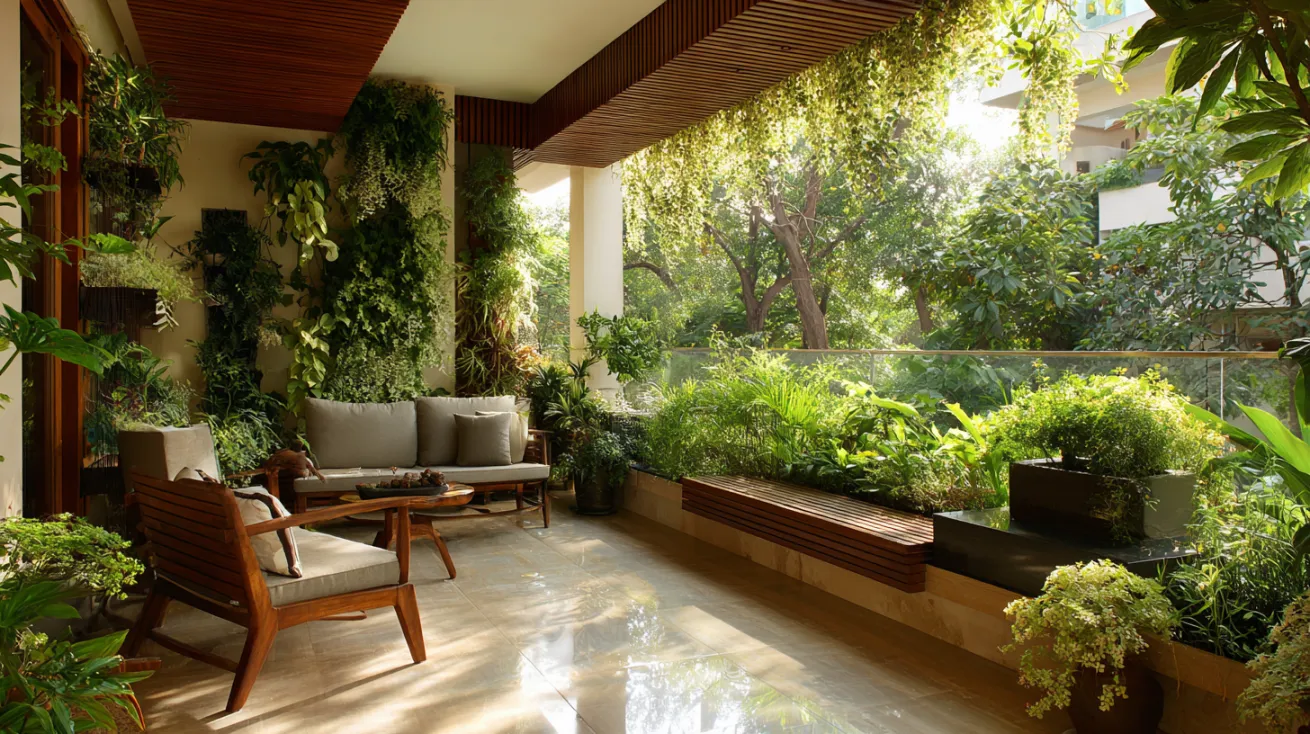
The indoor garden has recently gained popularity because of very legitimate reasons. The idea of bringing the outdoors inside your home will make it more appealing. Anyone, whether novice or professional, can make a stunning and useful indoor garden in numerous ways. This article will discuss innovative ways to transform your house into a beautiful green oasis.
Selecting the Best Plants
The foundation of a good indoor garden lies in the selection of plants. It is crucial to choose indoor plants that are able to grow in the house. Select plants based on humidity, temperature, and the amount of light. Air purifying, low-maintenance indoor plants like peace lilies, pothos, and snake plants are ideal. Plants that are low-maintenance and excellent include succulents and cacti.
Vertical Gardening Maximizes Space
One of the most difficult aspects of indoor gardening is determining the proper space to plant. Plant vertically to maximize space. A stunning green wall can aid in reducing space and add aesthetic appeal to your designs by using hanging baskets, wall-mounted plants, or vertical garden systems. This method is ideal for small houses or apartments that have a limited areas for flooring.
Utilizing Plant Stands
The interior of your garden will look more attractive if you add beautiful stands or plant supports. These attractive plant stands allow you to display your plants with dynamism by altering dimensions material, shapes, and heights. Plant stands can help improve airflow, encouraging healthy growth. Many options will complement your decor and style, depending on your preferences, such as wooden rustic stands or sleek modern designs.
Making a DIY Self-Watering System
For busy people, gardening indoors isn’t easy. If you don’t regularly water your plants, the self-watering system you can make yourself helps keep plants moist. A simple method is to utilize a plastic container with a cap that has a small hole. Make sure to point the bottle filled with water towards the plant’s root. The water will slowly leak, creating humidity. This technique is particularly useful for long journeys away from home and for vacations.
Color Enhancement for Light
Indoor plants require light to thrive. A lot of indoor areas are dark, which can hinder the development of plants. To prevent this from happening, you should think about making use of grow lights modeled on sunlight. A diverse spectrum of energy-efficient LED grow lights can help plants develop at different stages. The lights must be situated near your plants for daytime lighting. Additionally, the filtered light that comes through windows can help plants thrive.
Enhancing the Levels of Humidity
A lower humidity in the indoor environment could affect certain plants. To improve humidity, put a humidifier in front of your plants, or put a dish in a shallow container with water and set it beneath the pots. The humidity of plants increases as water evaporates. When plants are in a group and in a humid, moist microclimate can benefit the health of plants and their growth.
Using Organic Fertilizers
Indoor plants require the proper nutrients to thrive. Though organic fertilizers provide vital nutrients, synthetic fertilizers contain harmful poisons. Eggshells, coffee grinds, and banana peels can be utilized in an organic fertilizer that you make yourself. Mix a fine mixture of these ingredients into the soil around your plant. This simple method enhances soil and creates an indoor garden that is more environmentally sustainable.
Conclusion
These gardening techniques improve the living and aesthetics of your home. For a stunning indoor garden, select the best plants, implement vertical gardening, add attractive plant stands, make self-watering systems at home, boost the amount of light and humidity, and use organic fertilisers. These strategies will transform your home into a lush oasis that encourages relaxation, well-being, and a sense of imagination.