
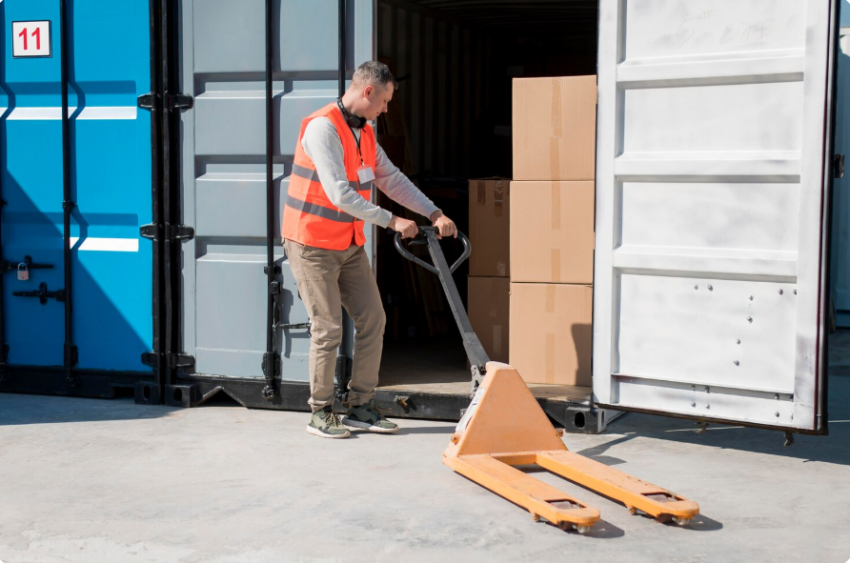
Getting products from one place to another can involve more than one type of transportation. A shipment might travel by ship for part of its journey, move by rail for another section, and finish the trip on a truck.
The tricky part is getting those changes to happen without unnecessary delays or confusion. That is where transloading can help. It gives businesses a practical way to move goods between transportation methods while keeping shipments moving.
Understanding Transloading
Transloading is simply the process of moving goods from one type of transportation to another. For example, a container may arrive at a rail terminal and then be transferred onto a truck for the final part of its journey. The goods do not necessarily need to be stored for a long time during this process. Instead, the transfer is planned so the shipment can continue moving toward its destination.
Think of it like changing buses during a long trip. You leave one vehicle and get onto another because the second route takes you closer to where you are going. The goal is to make that change smoothly so the goods do not spend unnecessary time sitting around.
Why Timing Matters
Delays can cause headaches for businesses. A store waiting for products cannot sell items that have not arrived, while a manufacturer may struggle if important supplies are late. Smooth transfers between transportation methods can help reduce some of this waiting.
When businesses know when a shipment is expected to arrive and when the next vehicle is ready, the overall journey can be easier to manage. Good planning simply gives businesses a better chance of handling those changes without the entire shipment falling behind.
When Transloading Makes Sense
Transloading can be useful when different transportation methods make sense for different parts of a journey. Imagine a shipment arriving at a rail terminal because rail was practical for the long-distance portion. The goods may then need to travel by truck to reach a nearby warehouse or customer.
This approach can also help businesses reach locations that are not directly served by certain transportation networks. A truck can cover the final distance after goods have traveled much farther by ship or rail.
Reducing Unnecessary Handling
Every extra movement creates another opportunity for delays or damage. That is why organized cargo transfers matter. When workers know where goods need to go and when the next transportation method is ready, there is less reason for shipments to sit around waiting.
Good coordination can also reduce unnecessary storage. Instead of moving goods into a warehouse simply because the next truck is not ready, the transfer can be planned around the actual transportation schedule when possible.
Choosing The Right Support
Businesses should look carefully at the company handling their freight transfers. Experience matters because different shipments can bring different challenges. Location is important too since a conveniently placed facility may make transfers easier and faster.
The right equipment also matters, especially when goods require specific handling. Reliable communication is just as useful. Businesses need to know what is happening with their shipments instead of constantly wondering where everything has disappeared to.