
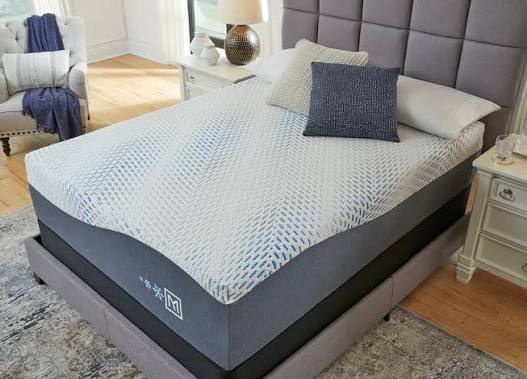
Memory foam mattresses provide great pressure point relief and reduce motion transfer, making them a good choice for side sleepers and people with back pain, but also they can get hot, and lack bounce.
Hybrid mattresses feature pocketed coils, edge support and responsiveness, are ideal for couples of different sleeping preferences or stomach/back sleepers, but can be more expensive and heavier.
Each can help you sleep better, but it seems that hybrids last longer (8-10 years vs. 6-8 years for memory foam) and provide a balance of support.
Hybrids are good for hot sleepers because of the airflow; memory foam is ideal for those who want more contouring for joint relief.
It will differ based on an individual’s sleep position and requirements, side sleepers may find memory foam’s hug more preferable, but numerous of the highest ranked pads are hybrids that incorporate memory foam layers.
Who Decides What to Choose?
If you’re a side sleeper seeking deep pressure point relief, go for memory foam. Hybrids may offer the support necessary for back pain relief, or possibly, if you have to share a mattress with someone else, maybe you don’t have to choose between “best” and “worst.” When possible, always test in store.
Tips for Buying
Take into account your body type: If you’re a heavier person, Hybrid’s support is beneficial. Look for cooling gel technology in either for hot sleepers. Several different models are available at varying costs and with different lifetimes, such as hybrid versions.
But another restless night can leave you feeling grumpy and under the weather, particularly if your old mattress doesn’t do the job anymore. Perhaps a side sleeper with an ailing hip or maybe you and your partner cannot agree on firmness levels. Getting a better mattress might be the cure for a better night’s sleep tonight, and it’s easy to lose track of all the specs.
To make it simpler, we’ll create a table that highlights the major memory foam vs hybrid mattress differences in materials, comfort, and performance. From learning about new mattress technologies such as cooling gel technology, to understanding how long mattresses last, you will get the facts you need to make the selection that’s right for you and your sleep style. Let’s jump in and help you get up with a fresh start!
Knowing the Basics of Memory Foam Mattress
Imagine lying in a cloud that wraps around every line of your body, after a long day. Memory foam mattresses are the magic that does just that. The technology was originally developed by NASA in the 1960s for their astronauts to sit in, but has since become a favourite sleep feature for the general public.
What is a Memory Foam Mattress?
Viscoelastic foam, also known as memory foam, is polyurethane that is treated to mold to the heat and pressure of the body. It relaxes and conforms to your body when you lie on it, giving you a cradling sensation. The majority of models have several layers: a top layer of comfort, layers of transitional foam, and a dense base to provide stability. There’s no coils here, only foam in all the way.
This is a great position for pressure points, and can help relieve tension in the shoulders or hips. However, remember that the traditional ones can become retaining heat and result in warmer nights. Today’s designs may feature cooling gel technology which helps to draw moisture away and enhances airflow.
The Advantages and Disadvantages of Memory Foam
Let’s take some counterpoints. The upside is that memory foam is a great motion isolator, meaning that it absorbs the motion of others so you won’t feel their movement shifting around you. It is also silent with an absence of creaky springs that could upset light sleepers. The compact texture is dust mites and mould resistant for allergy sufferers.
Drawbacks? When that sinking feeling hits, it may be more difficult to switch from one position to the next, particularly if you like a more bouncy surface. The off-gassing (new-mattress chemical smell) may last a couple days. Prices are low, but the more high tech they are with advanced cooling, they can go up.
You may be a side sleeper or a deep contouring person, then it might be your perfect fit. Simply test for hardness: softer will work well for smaller people, and firmer will work well for larger people.
Exploring Hybrid Mattresses
Picture now having the best of foam plus the firmness of traditional springs. In essence, the hybrid mattress is what this is. These beds are a combination of modern foams and coil systems, providing versatility in the sleeping experience.
What is a Hybrid Mattress?
A hybrid usually has foams (such as memory or latex) on top of a layer of pocketed coils, which are springs wrapped in individual pockets and able to move independently. The top layers provide cushioning and the design helps to promote airflow and responsiveness. The hybrids reduce the noise and movement transfer as compared to the old school innersprings by virtue of those wrapped coils.
The result? A pleasing harmony of softness and hardness. Many have zoned support, regions with various coils that reinforce areas such as your lower back. This is perfect for edge support and means you can sit or sleep close to the sides and won’t roll off.
The Advantages and Disadvantages of Hybrid Mattresses
One of the differences of hybrids is that they are responsive, which makes it simple to switch around while sleeping. Coils provide increased breathability and will keep you cooler than all foam sleeping bags, which is great for hot sleepers. They’re also a winner in terms of durability – expect them to last a long time with daily use.
The downsides are that they are also heavier and may be cumbersome to set up. The prices are often higher because they’re complex to build and there is potential for transferring some of the action if the coils aren’t good quality. For tasks like getting in and out of bed (or other more intimate ones), hybrids provide.
They are also popular for couples with different firmness levels since they offer a combination of both that satisfies both partners.
With the options of memory foam and hybrid mattresses, you have to decide between the two types.There are factors to consider when you have to choose between memory foam and hybrid mattresses.
A mattress fit is not a one size fits all. Consider your typical sleep issues: how do you wake up each morning? (sore, sweaty, etc.)
Sleep Posture and Body Type
Your position matters. So, whether you should go with a memory foam mattress or a hybrid mattress as a side sleeper is all up to you. Memory foam can sometimes be superior in cradling, which can help to lower pressure in the hips and shoulders if they are wider. However, hybrids with a plush top, such as Helix, can be used as well, particularly if moving around.
Hybrid’s support prevents the spine from going into a rounded curve position, which is beneficial for back sleepers. Stomach sleepers? Hybrids will not cause too much downward movement, which may stress your neck. Hybrids give good coil support for heavier individuals (over 230 lb) to prevent bottoming out.
Back Pain Relief
Struggling with aches? When choosing between memory foam and hybrid for back pain relief, it’s all about alignment. Memory foam molds to the body, relieving pressure on other points, while the coils in hybrids do more to support posture and thus may help to prevent chronic pain. If you require relief and structure, you may find a medium firm hybrid to be the best option.
Couples/transfer of motion
Motion isolation is necessary if sharing a bed. Memory foam minimizes disturbances from fidgety partners. Pocketed coils are offered by hybrids and still beat out pure foam. Hybrids’ balanced feel can often fill the gap between differing firmness needs.
Budget and Longevity
The question is: What is the price difference between hybrid mattresses and foam mattresses? Price hybrids at 20-50% higher, but hybrids last twice as long (ask: How long do hybrid mattresses last? vs foam!) and as a result of their longer lifespan are cost effective. Consider warranties: the warranties may be 10+, 20+, or even longer.
Rhetorical question: Why be cheap on something you use daily?
- New mattress innovations that have been developed in recent years.
- Mattress tech isn’t resting on its laurels.
- New improvements address issues commonly found such as heat and support.
Cooling gel technology infusions are used to remove the heat from memory foam; brands such as Saatva even add air channels to improve flow. The zoned coils and eco-friendly materials such as organic latex make hybrids an exceptional choice.
Smart features are starting to emerge—sleep trackers can be built in the bed, or adjustable firmness is possible through apps. These combine the feel of hybrids for versatility and comfort, attracting tech-savvy buyers.
Pro tip: Check for foam that has been tested by CertiPUR-US; don’t use foams with harmful chemicals.
The following are some of the most common mistakes people make when purchasing a mattress.
Don’t rush in. Some of the most frequent errors people make include using the sleep trial period: Most brands have a 100+ nights trial period. Otherwise, you could end up regretting it.
There’s another one that’s firmness overlook: What that feels comfortable in the store may not be as comfy at home. Also size your space or hybrids will be larger.
Last, but not least, watch out for “universal” beds. Try out what you need; go to a showroom.
Conclusion
To conclude, memory foam offers that huggability and excellent isolation characteristics, whereas hybrids add bounce, cooling and durability. It all depends on the sleeper (side sleepers may prefer foam, while couples may opt for the hybrids). In any case, a decent mattress changes your slumber. Ready to upgrade? Look for good brands or contact a sleep expert for expert suggestions today.